Submitted by Editor on
Walk through a new commercial washroom in New Zealand today and you may notice something familiar. The tapware looks sleek, the finishes are on-trend, and the design intent reads well. Look a little closer, though, and you may be looking at a residential product in a commercial setting.
Over recent years we have seen more residential-style tapware and washroom products finding their way into commercial buildings. They may look the part. But they are rarely engineered for the demands of a school, a hospital, an airport terminal, or any other environment where a tap may be operated hundreds of times a day, every day, for decades.
What actually happens next
The consequences of that mismatch tend to show up long after handover, and rarely on the budget line that made the decision in the first place:
- More frequent maintenance callouts
- Shorter product life
- Premature replacement
- More manufacturing
- More transport and packaging
- More waste to landfill
- A higher whole-of-life carbon footprint
Each replacement cycle carries the full environmental cost of a new product: raw material extraction, manufacture, freight halfway around the world, installation labour, and disposal of the old unit. A tap replaced three times in twenty years is not one product. It is three, plus the trades time and the disruption that came with each swap.
Sustainability is a durability question
There is a tendency to treat sustainability as a materials conversation. Recycled content, recyclability, low-impact finishes. All of that matters. But it is only part of the picture.
The single largest sustainability lever in commercial plumbing is how long a product performs before it needs replacing. A product that lasts three times as long has, in practical terms, a third of the manufacturing and freight impact. No amount of recycled content compensates for a unit that fails early.
That is the lens we apply at MacDonald Industries. We focus on products engineered for durability, serviceability, and long-term performance, products that minimise maintenance, maximise service life, and reduce lifecycle environmental impact. Serviceability matters as much as durability: a tap with replaceable cartridges and available spare parts stays in service. A sealed unit becomes landfill the moment it fails.
Evidence over claims: the role of EPDs
Every supplier says their products are built to last. The question worth asking is whether that claim has been independently verified.
An Environmental Product Declaration (EPD) is a third-party verified document setting out a product's environmental impact across its full lifecycle, from raw material through manufacture, use, and end of life. It is transparent, standardised, and comparable between products. It is not marketing.
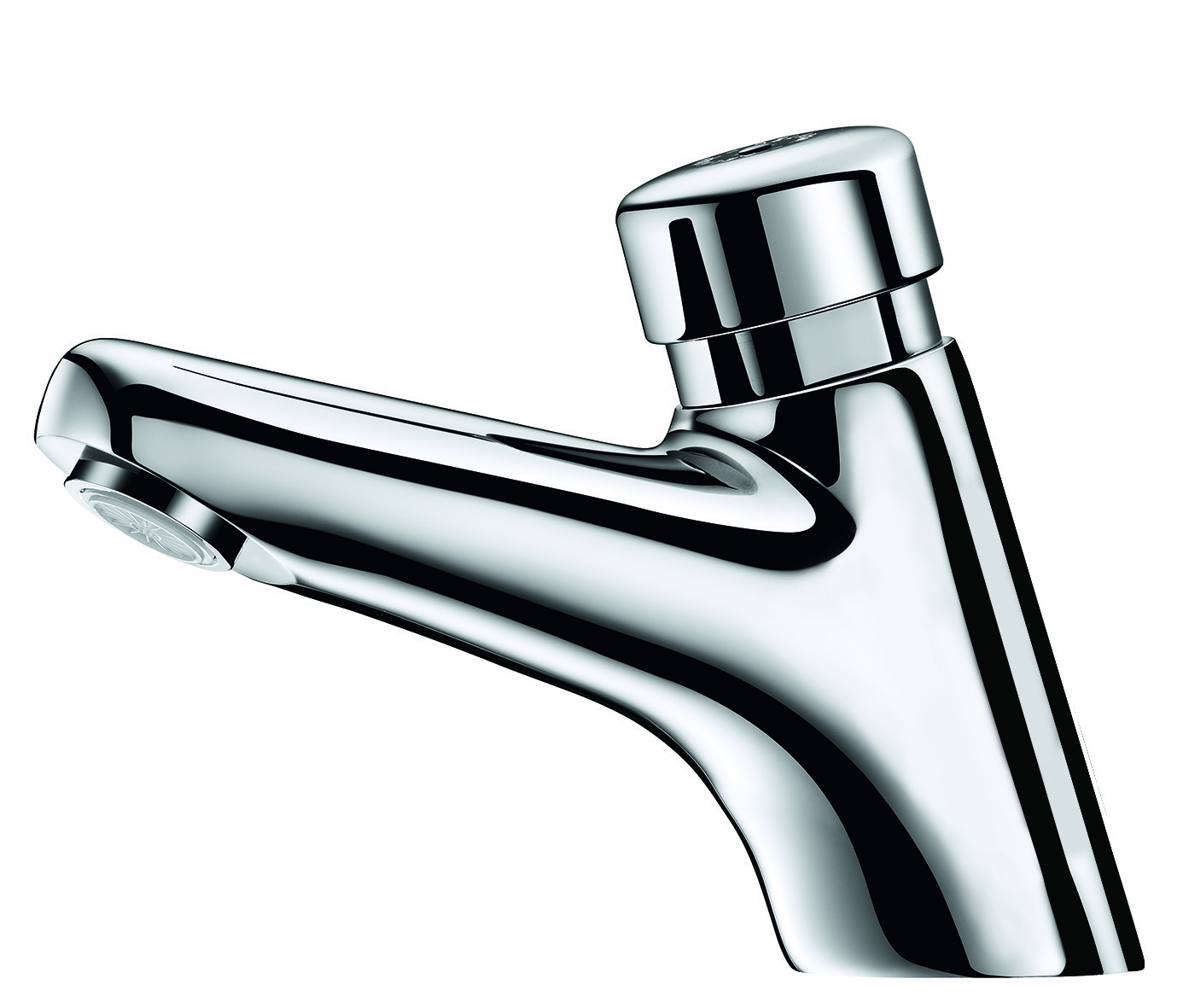
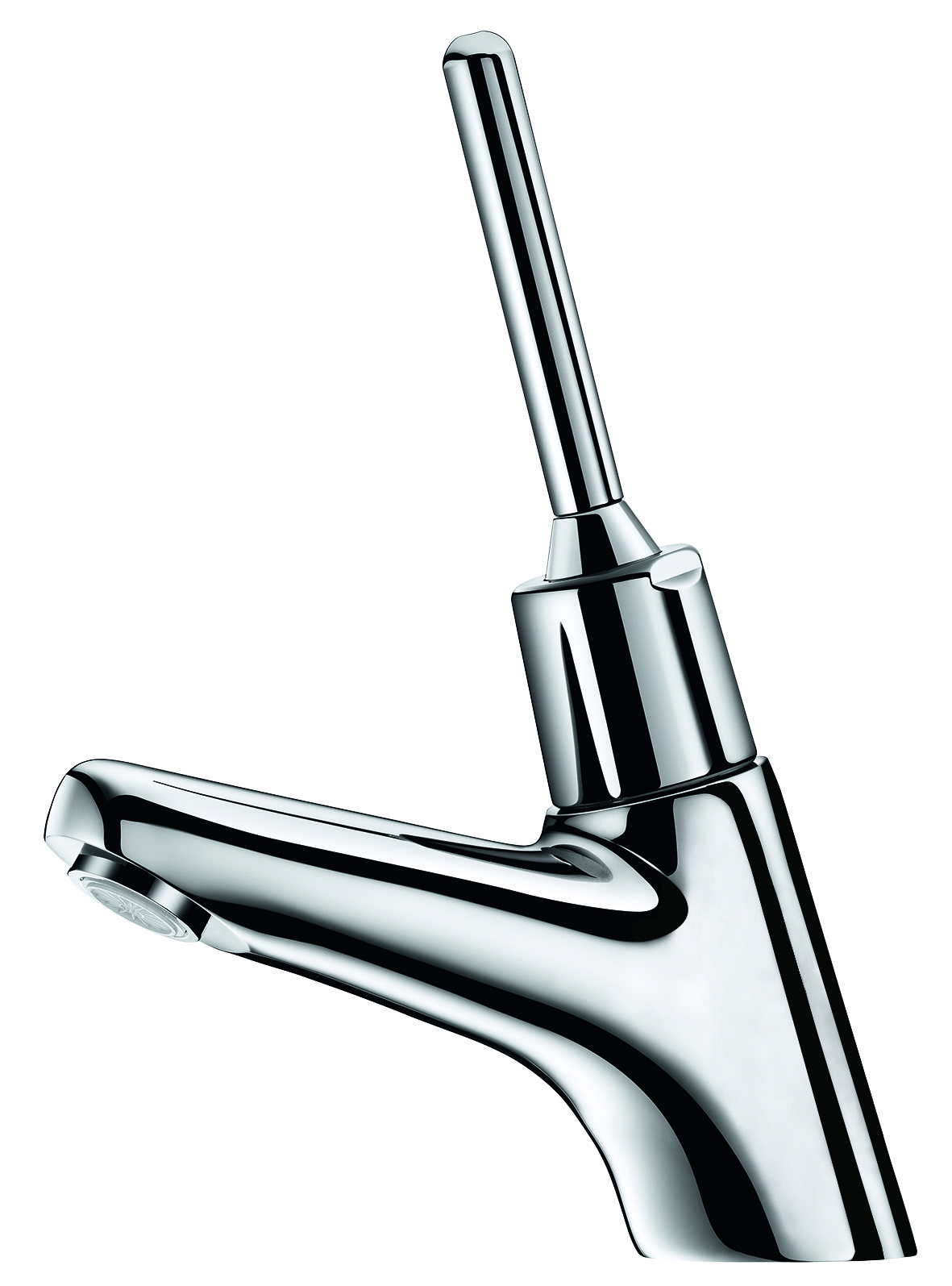
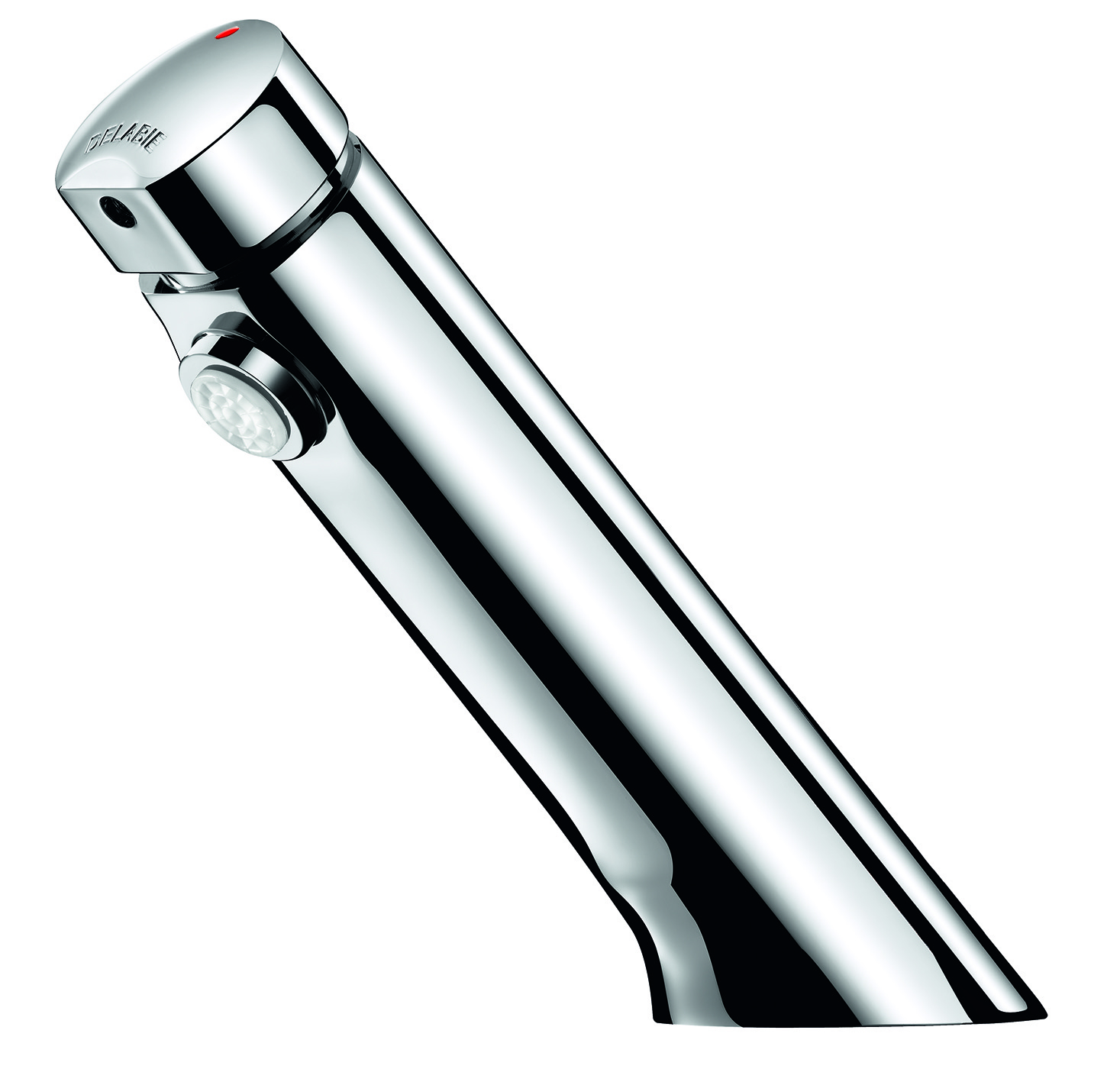
We are proud to supply DELABIE, one of very few commercial tap manufacturers available in New Zealand with independently verified EPDs across its range. For specifiers working to Green Star, NZGBC credits, or client sustainability targets, that documentation is the difference between a claim and a substantiated position.
What this means for specifiers
Specification decisions made in a matter of minutes commit a building to decades of consequence. A residential-grade tap in a high-use commercial washroom is not a cost saving. It is a deferred cost, transferred from the capital budget to the facilities team, and from this year to every year after.
True sustainability is not about buying the cheapest product today. It is about specifying products that will still be performing reliably decades from now.
A question for the industry
When specifying commercial plumbing products, should the initial purchase price matter more than the whole-of-life environmental and maintenance cost?
We would be interested to hear how designers, specifiers, and asset managers are weighing that trade-off on current projects. contact us sales@macdonaldindustries.co.nz